
“Our cart abandonment rate dropped from 70% to 53% just by fixing these popup mistakes” – What 73% of e-commerce stores don’t realize about their biggest conversion killer
Your cart abandonment popups aren’t working. While you’re celebrating that 2% conversion rate, your competitors are quietly capturing 27% more sales with the same traffic. The problem? You’re making the same seven critical mistakes that cost online stores millions in lost revenue every year.
Cart abandonment affects 69.8% of all online shopping sessions. That means for every 10 potential customers, 7 walk away without buying. Your current popup strategy isn’t just ineffective – it’s actively driving customers away faster than a aggressive telemarketer.
Here’s the brutal truth: Most cart abandonment popups fail because store owners focus on what they want to say instead of what customers need to hear. You absolutely need to fix these mistakes before your next sale slips away.
Mistake #1: Using Vague Emotional Appeals Instead of Clear Numeric Offers
Old Way: “Don’t miss out on amazing savings!”
Annoying • Vague • Converts poorly
Right Way: “Get 15% OFF – Code: SAVE15”
Direct • Specific • Converts 27% better
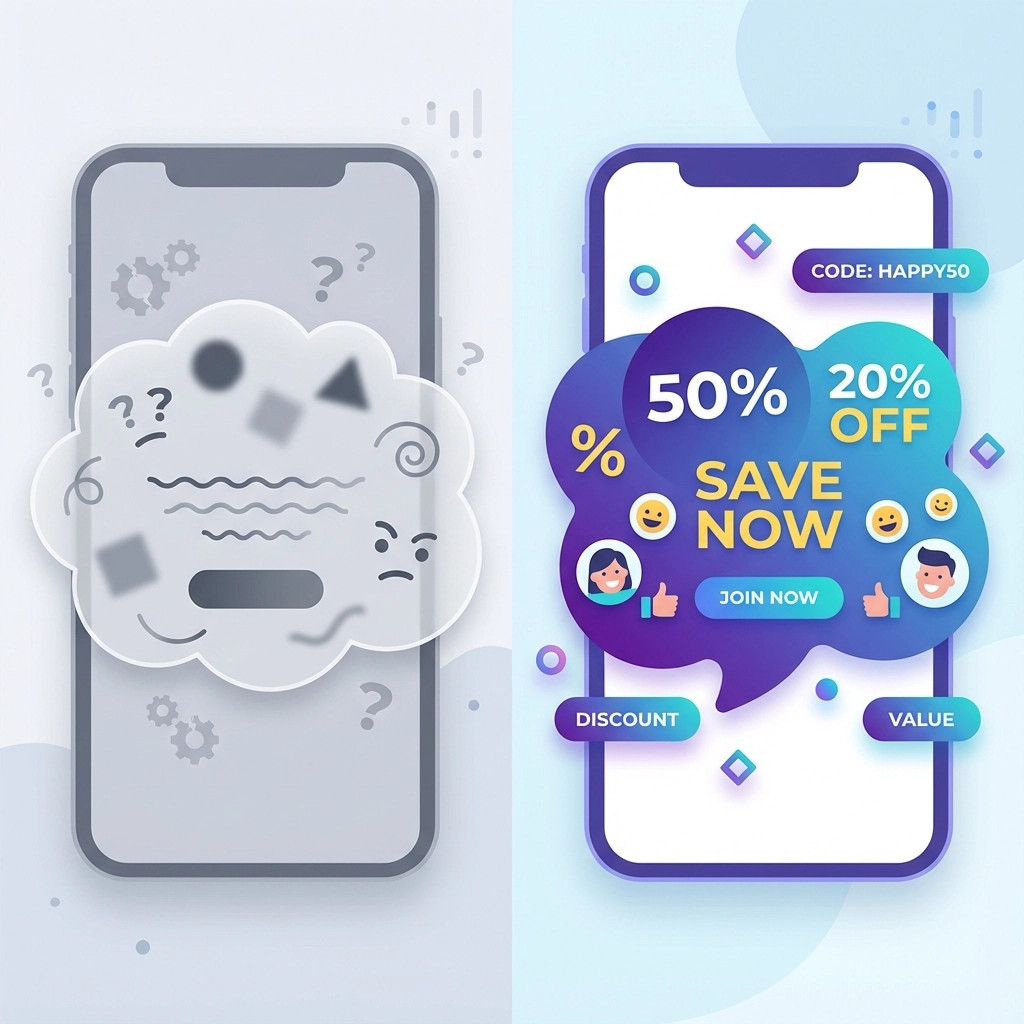
The data is absolutely clear: numeric discount codes like “10% OFF” drive up to 27% more clicks than emotional messaging. Yet most stores still waste precious seconds of customer attention with fluffy language that means nothing.
Your customers don’t care about your “amazing deals” or “incredible offers.” They want to know exactly how much they’ll save and how to get it. When someone’s finger is hovering over the back button, you have 3 seconds to give them a compelling reason to stay.
Here’s what converts:
• Specific percentages: “20% OFF”
• Dollar amounts: “Save $25”
• Free shipping thresholds: “Free shipping on orders over $50”
• Clear discount codes: “Use code SAVE20”
What fails every time:
• “Amazing deals inside!”
• “Don’t miss out!”
• “Limited time offer!”
• “Exclusive savings!”
The fix is simple: Replace every emotional appeal with concrete numbers. Your conversion rates will thank you.
Mistake #2: Bombarding Visitors with High-Pressure Urgency Tactics
Old Way: “HURRY! Only 2 hours left! Buy NOW before it’s gone FOREVER!”
Aggressive • Manipulative • Triggers skepticism
Right Way: “Complete your order and get free shipping today”
Helpful • Benefit-focused • Increases engagement 15%
Urgency-heavy language feels manipulative to modern consumers. Research shows that neutral, benefit-focused headlines increased engagement by 15% without any revenue loss. Your customers are smarter than you think – they can smell fake urgency from a mile away.
The most effective cart abandonment popups focus on benefits, not pressure. Instead of threatening customers with scarcity, remind them of the value they’re about to receive.
High-converting urgency alternatives:
• “Your items are waiting in your cart”
• “Complete your order for same-day shipping”
• “Secure your favorites before checkout”
• “Finish your purchase to unlock member benefits”
Stop treating your customers like they need to be tricked into buying. Treat them like intelligent people making informed decisions.
Mistake #3: Ignoring the Real Reasons People Abandon Carts
Old Way: Offering discounts without addressing concerns
Misses the point • Wastes opportunities • Ignores customer needs
Right Way: Proactively addressing shipping, returns, and security concerns
Customer-focused • Builds trust • Removes purchase barriers
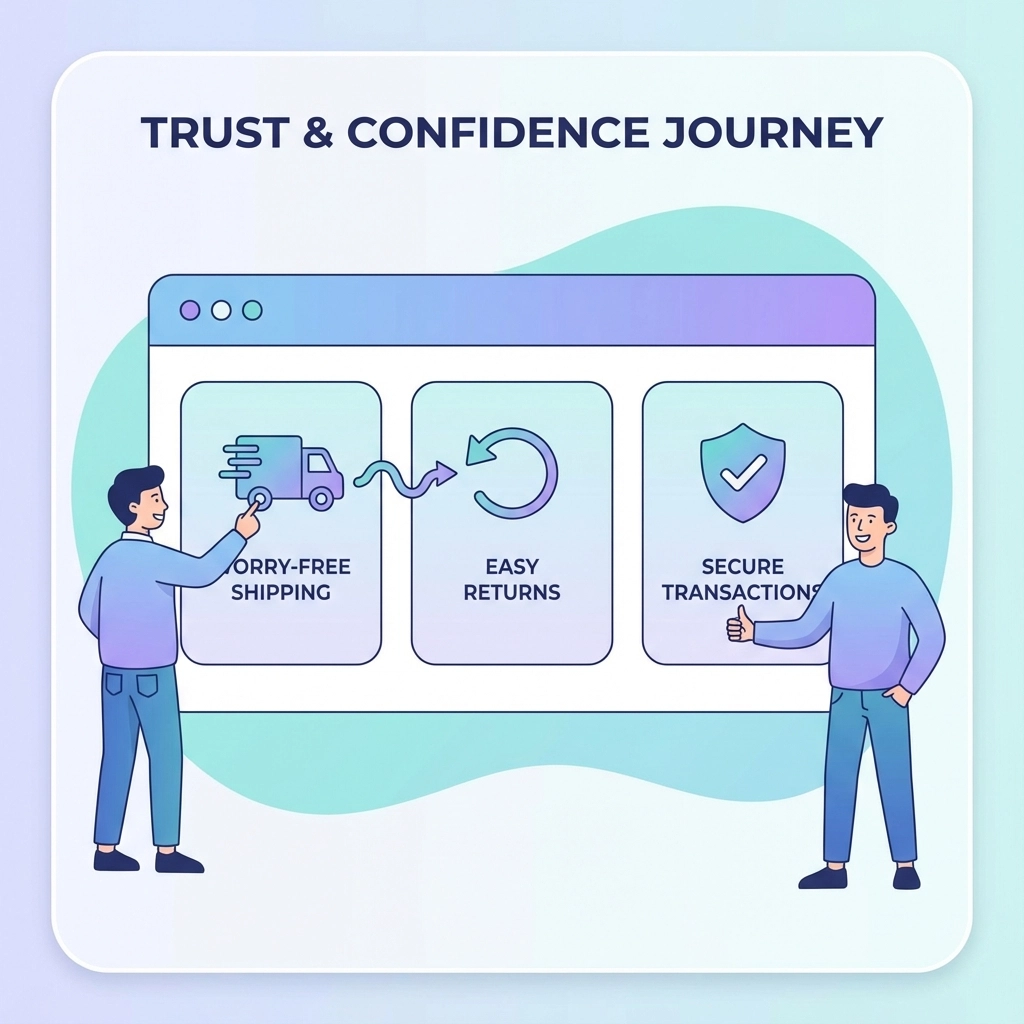
Here’s what most stores get wrong: they assume price is the only reason customers abandon carts. The reality is that 55% of cart abandonment happens because of unexpected shipping costs, unclear return policies, or security concerns.
Your popup should address these concerns directly:
Top cart abandonment triggers and solutions:
• High shipping costs → Highlight free shipping thresholds or flat-rate shipping
• Unclear return policy → “30-day hassle-free returns”
• Security concerns → Display security badges and “SSL protected checkout”
• Complicated checkout → “Quick 2-minute checkout process”
• Account creation requirements → “No account needed – checkout as guest”
Smart stores use popups to remove friction, not just offer discounts. Address the real problem, and you’ll see cart completion rates skyrocket.
Mistake #4: Terrible Timing and Placement That Misses the Mark
Old Way: Random popup timing that interrupts browsing
Annoying • Poorly timed • Creates negative experience
Right Way: Exit-intent technology triggered at the perfect moment
Strategic • Non-intrusive • Captures leaving visitors
Timing is everything with cart abandonment popups. Show them too early, and you’re interrupting the shopping experience. Too late, and the customer is already mentally checked out.
Proven high-converting timing strategies:
For product pages: After 2+ minutes of engagement or when adding items to cart
For cart pages: Immediate exit-intent detection
For checkout pages: When cursor moves toward browser close button
For mobile: After scrolling past checkout form without completing
Exit-intent technology is absolutely integral to popup success. It captures visitors at the exact moment they’re leaving, giving you one final chance to convert them.
The best timing feels helpful, not intrusive. Your popup should appear exactly when customers need that extra nudge to complete their purchase.
Mistake #5: Failing to Capture Email Addresses for Follow-Up
Old Way: One-shot popup with no follow-up strategy
Shortsighted • Misses opportunities • No second chances
Right Way: Email capture with automated recovery sequences
Strategic • Builds relationships • Creates multiple touchpoints
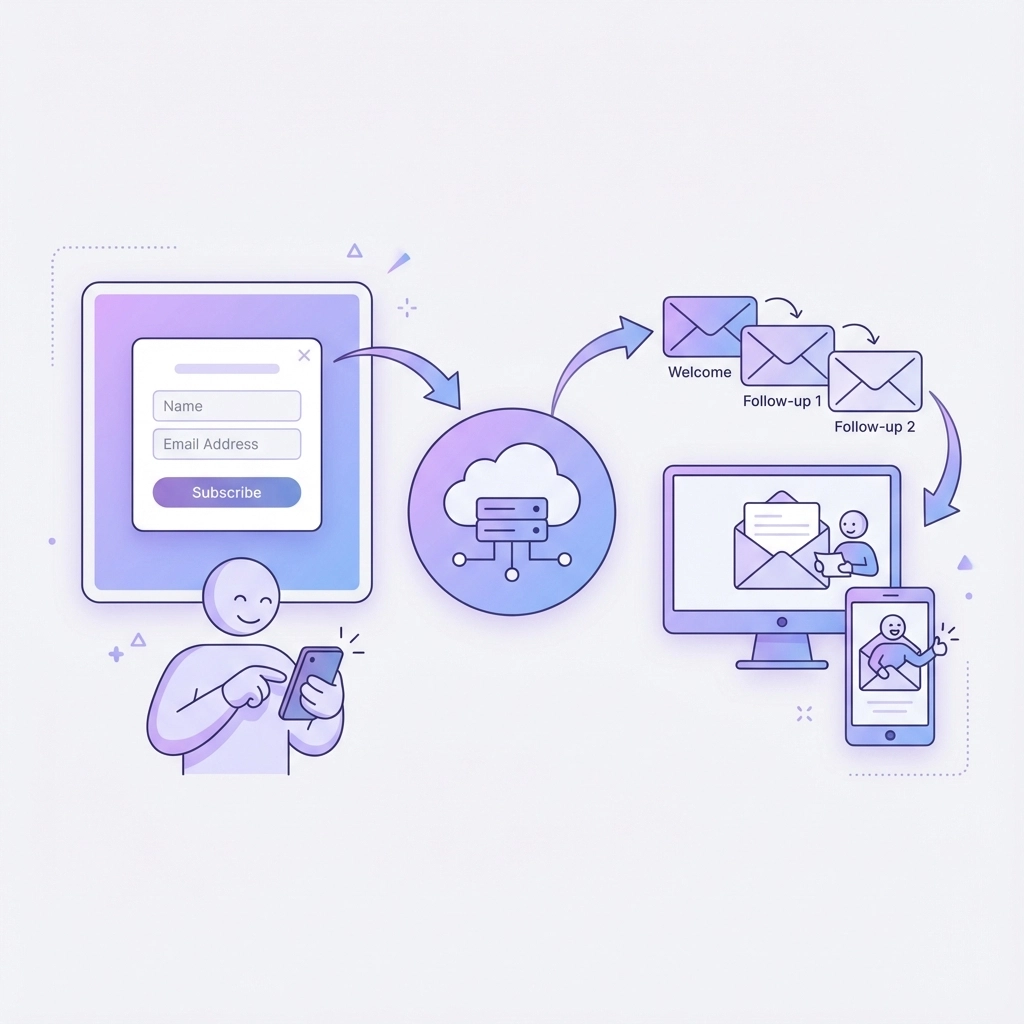
This is the mistake that costs stores the most money long-term. You’re focusing so hard on immediate conversions that you’re ignoring the goldmine of follow-up opportunities.
Effective cart abandonment popups can reduce abandonment by at least 17%, but the real magic happens in the email sequences that follow. Capturing email addresses lets you send personalized cart recovery emails, SMS reminders, and targeted offers.
Your popup should collect:
• Email address (required)
• Phone number for SMS (optional)
• Name for personalization (optional)
Then follow up with:
• Immediate cart reminder email
• 24-hour follow-up with social proof
• 72-hour final reminder with urgency
• 1-week “we miss you” email with new offer
Without email capture, you’re playing a one-shot game in a multi-touch world. Smart stores build relationships, not just transactions.
Mistake #6: Generic One-Size-Fits-All Popups That Ignore Customer Segments
Old Way: Same popup for everyone regardless of behavior
Lazy • Irrelevant • Misses personalization opportunities
Right Way: Targeted popups based on cart value and customer type
Personalized • Relevant • Significantly higher conversion rates
Generic popups are conversion killers. A first-time visitor with a $30 cart needs different motivation than a returning customer with a $300 cart. Your popup strategy should reflect these differences.
High-converting segmentation strategies:
High-value carts ($200+): Free shipping + exclusive customer service
Low-value carts (<$50): Percentage discount to reach free shipping minimum
Returning customers: Loyalty points or exclusive member pricing
First-time visitors: Welcome discount + email signup bonus
Mobile users: Simplified offers with easy mobile checkout
Personalization isn’t just nice to have – it’s absolutely necessary for maximum conversion rates. The stores winning in 2025 treat every visitor as an individual with specific needs and motivations.
Mistake #7: Ignoring Mobile Experience and Cross-Device Shopping
Old Way: Desktop-optimized popups that break on mobile
Outdated • Poor user experience • Misses 60% of traffic
Right Way: Mobile-first popup design with cross-device tracking
Modern • User-friendly • Captures all traffic effectively
Mobile commerce accounts for over 60% of all online shopping, yet most cart abandonment popups still prioritize desktop experience. Your mobile popup experience is probably driving away more customers than it converts.
Mobile optimization requirements:
• Touch-friendly buttons (minimum 44px)
• Fast loading times (under 2 seconds)
• Easy-to-close options
• Simplified forms with auto-fill
• Cross-device cart persistence
Exit-intent technology works on mobile devices, but the triggers are different. Instead of cursor movement, mobile exit-intent detects scrolling patterns, device orientation changes, and app-switching behaviors.
Cross-device considerations:
• Cart synchronization across devices
• Email-based cart recovery for device switchers
• Progressive web app capabilities
• Social login options for quick checkout
Mobile isn’t the future – it’s the present. Optimize for mobile first, and desktop will follow naturally.
The Right Way Forward: Stop Making These Mistakes Today
The difference between stores that convert abandoned carts and those that don’t isn’t luck – it’s strategy. While your competitors keep making these seven critical mistakes, you now have the proven framework to capture more sales from the same traffic.
Your next steps:
- Audit your current popups against these seven mistakes
- Implement exit-intent technology with proper timing
- Create segmented popup campaigns for different customer types
- Set up email capture with automated follow-up sequences
- Test mobile experience across all devices
The best part? Tools like Wheel of Popups make implementing these fixes simple with point-and-click popup builders, advanced targeting options, and built-in analytics to track your improvements.
100% Guaranteed Results. No credit card needed – Start fixing these mistakes today and watch your cart abandonment rates drop while your conversion rates soar. Your future self will thank you for taking action now instead of losing another month of sales to fixable popup mistakes.
The question isn’t whether you can afford to fix these mistakes – it’s whether you can afford to keep making them.